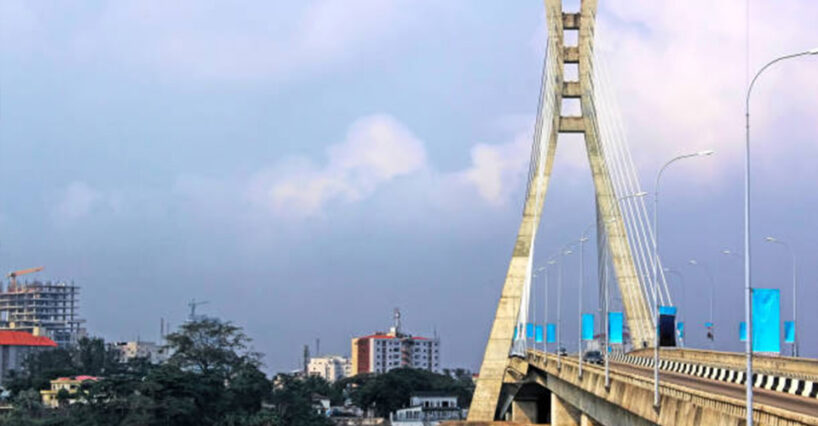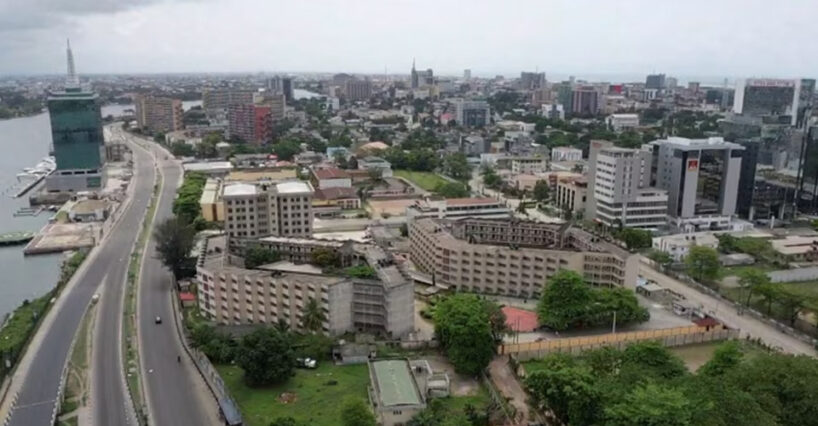



Lagos, Nigeria – 7th April, 2025 – In a bid to ensure sustainable urban development and infrastructure planning, the Lagos State Government has officially declared a 94 meter Right of Way (RoW) for the Eti-Osa – Lekki-Epe Expressway, spanning 69.1km from Admiralty Toll Plaza to Epe Junction.
The announcement, issued by the Ministry of Physical Planning and Urban Development, aligns with the state’s THEMES+ Agenda and the Lagos State Urban and Regional Planning and Development Law 2019 (as amended). The designated RoW will accommodate critical infrastructure, including:
- A 3 lane dual carriageway
- Pedestrian bridges
- Green Line Rail Tracks
- Drainage systems
- Gas pipelines and other essential utilities
The government also noted that the RoW may expand at certain intersections to facilitate interchanges and rail stations, with detailed onsite assessments to be conducted soon by the Office of Physical Planning and other relevant agencies.
Call for Public Cooperation
The Lagos State Government has urged residents, businesses, and landowners along the corridor to immediately cease all encroachments on the designated RoW. Unauthorized structures and activities within the alignment may hinder future infrastructure projects, and the state has warned that proactive enforcement measures will be taken if compliance is not voluntary.
Engr. Oluwole Sotire, Permanent Secretary of the Ministry of Physical Planning and Urban Development, emphasized the importance of public cooperation, stating:
“The availability of adequate space for critical infrastructure is essential for Lagos’ growth. We appeal to all affected parties to disengage from the Right of Way as soon as the alignments are marked to avoid disruptions.”
Next Steps
The government will soon conduct physical demarcations of the RoW, after which enforcement actions may follow for noncompliance. Residents are advised to stay updated through official channels.
This move underscores Lagos State’s commitment to long term urban planning, traffic decongestion, and modernized transportation networks in the rapidly developing Lekki-Epe corridor.